Unsere Behandlungen
Specialised operative and conservative procedures – individually tailored to your medical indication.
Important Medical Note
The exact indication and selection of the appropriate procedure are always determined individually by the physician after thorough examination and imaging. We cannot promise any specific treatment outcome.
Surgical Procedures
Microsurgical, endoscopic and minimally invasive operations
Our range of services includes specialized surgical procedures on the spine and peripheral nerves. Each procedure is tailored individually to your medical indication following thorough diagnostics.
We rely on minimally invasive techniques that protect surrounding tissues and support a rapid recovery.
Disc Surgery (Micro & Endoscopic)
Microsurgical or endoscopic removal of herniated disc tissue to relieve compressed nerve roots – gentle and precise.
.webp)
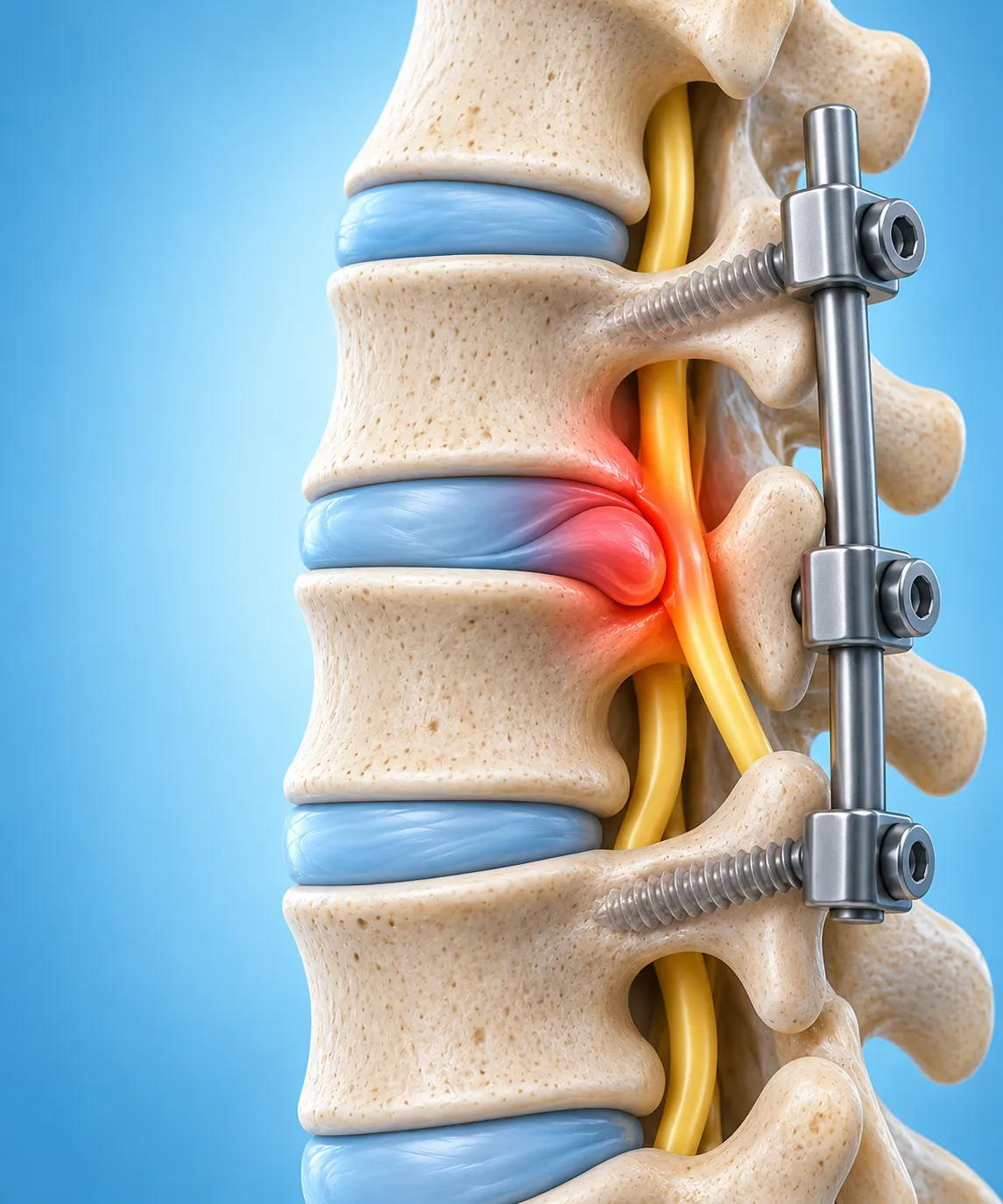
Microsurgical Decompression & Stabilisation
Surgical relief of compressed nerve structures in spinal canal stenosis. Supplemented by minimally invasive spinal stabilization if required.
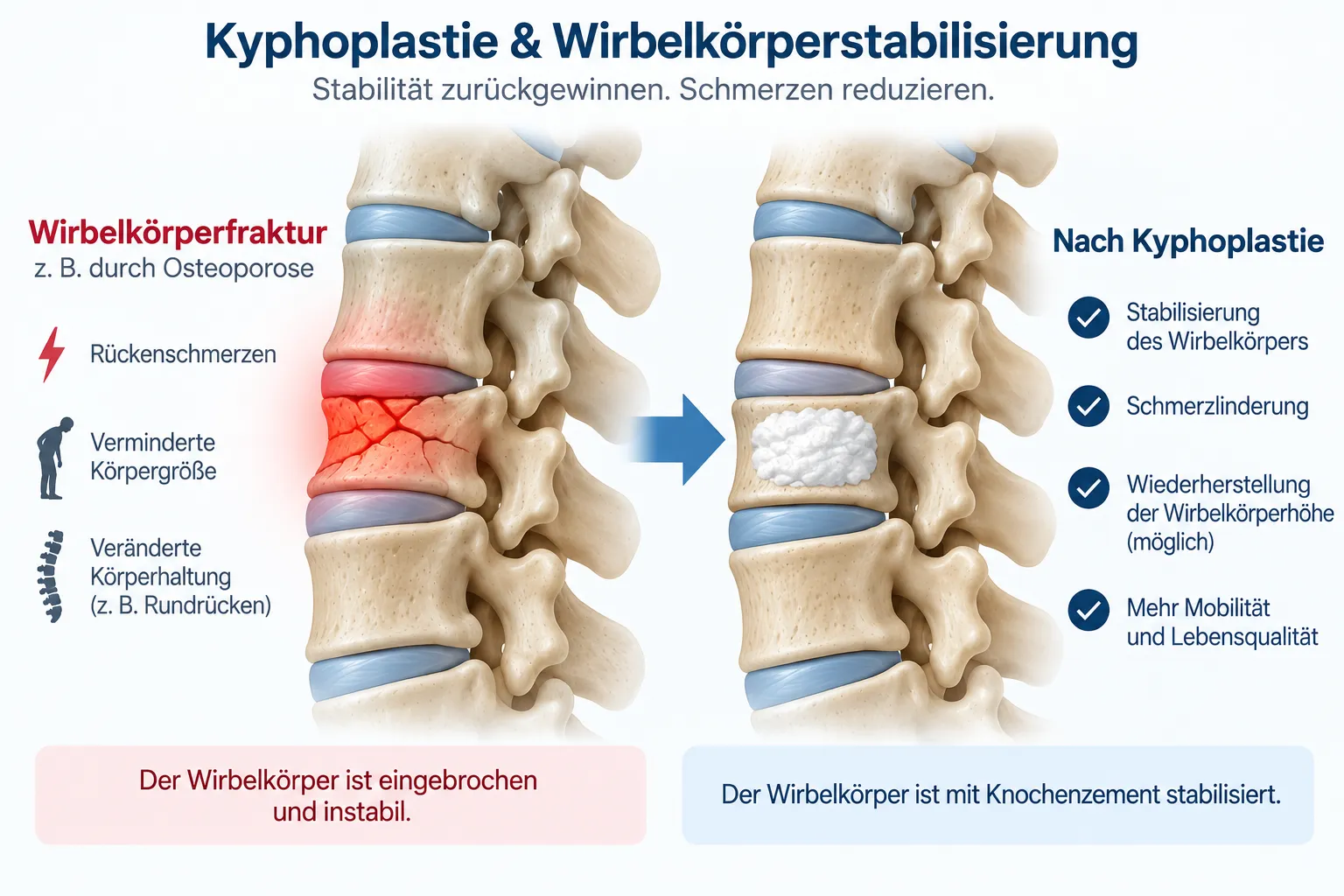
Kyphoplasty & Vertebral Body Stabilisation
Percutaneous minimally invasive stabilization of vertebral fractures due to osteoporosis or tumours. Cement augmentation for pain relief and stability.
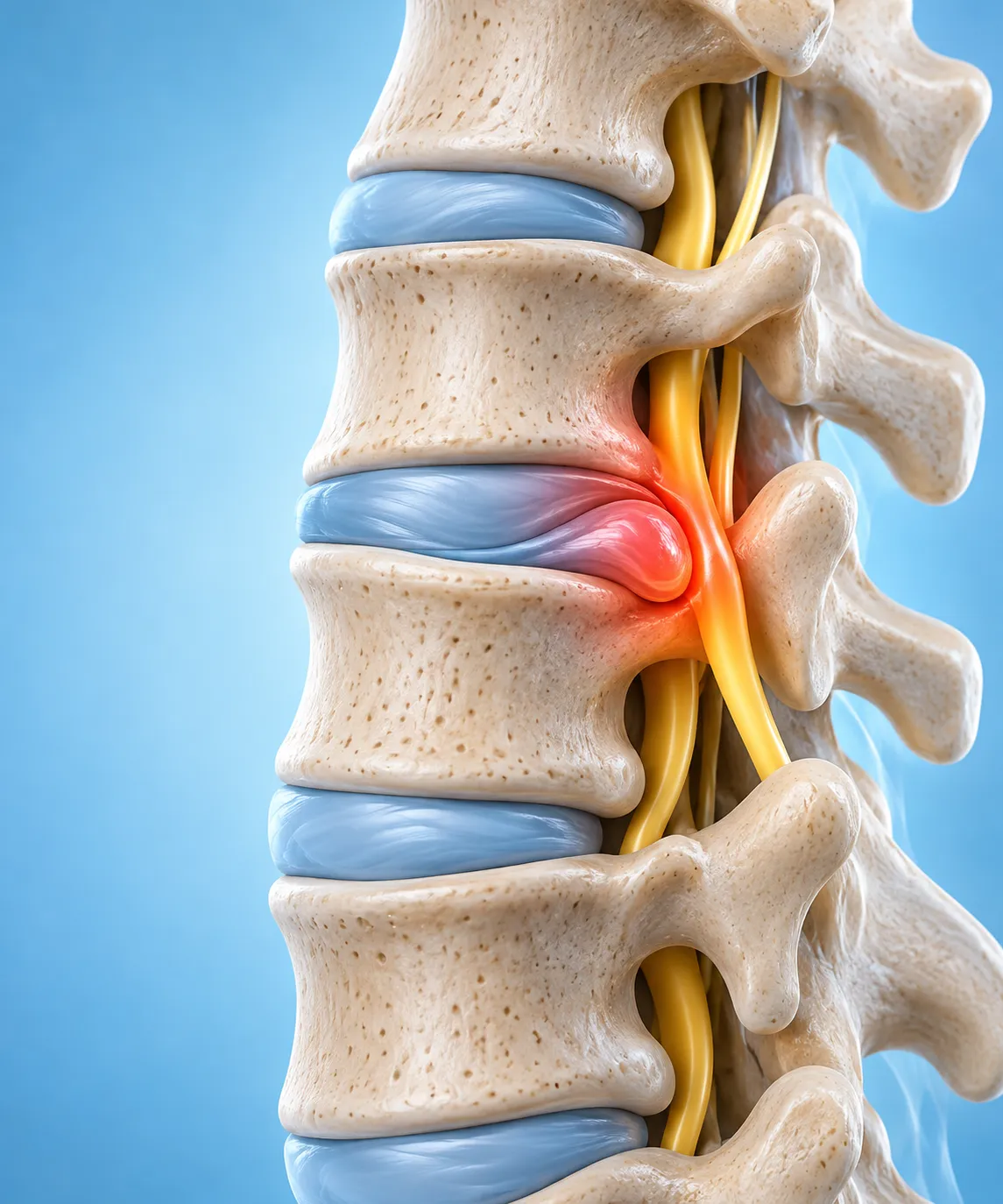
Peripheral Nerve Surgery (CTS, Cubital)
Outpatient microsurgical decompression for carpal tunnel syndrome, cubital tunnel syndrome, and other peripheral nerve entrapment syndromes.
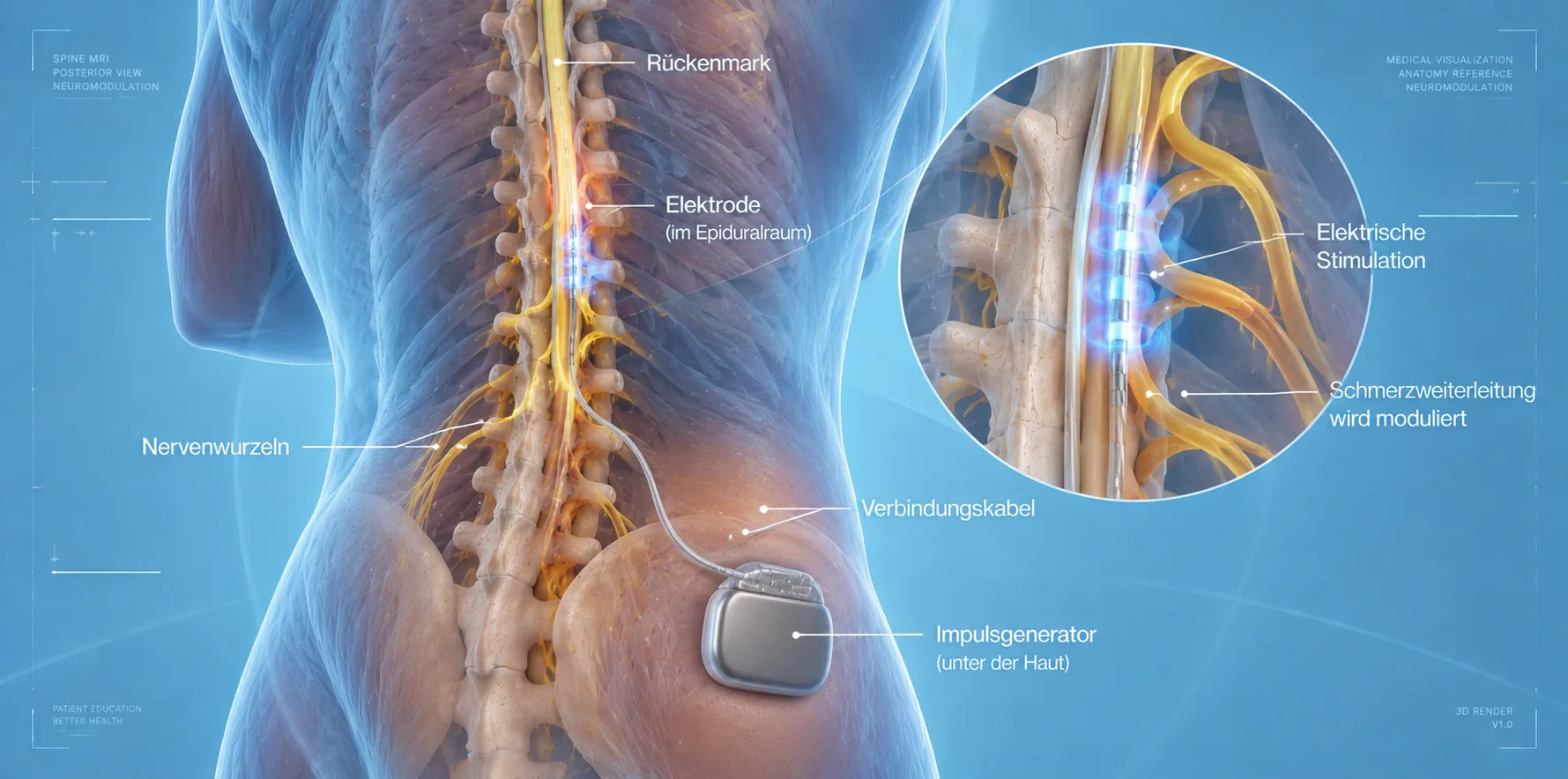
Neuromodulation & Spinal Cord Stimulation
Innovative electrical stimulation of neural pathways for chronic pain syndromes. Spinal cord stimulation (SCS) following thorough indication assessment.
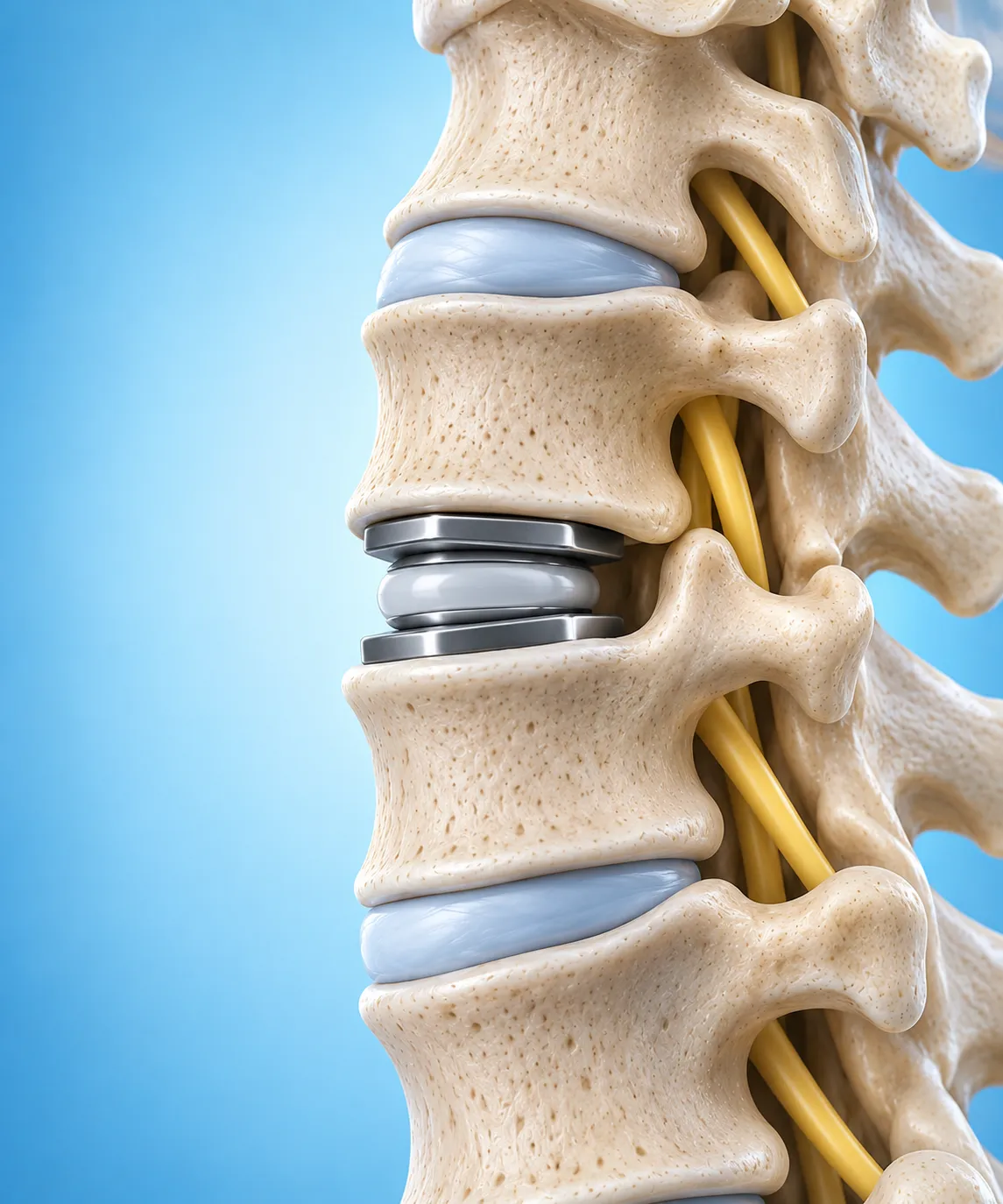
Cervical Spine Surgery & Disc Arthroplasty
Surgical procedures on the cervical spine: decompression, fusion, or motion-preserving disc replacement (arthroplasty) tailored to individual findings.
Percutaneous Tumour Radiofrequency Thermoablation
Percutaneous radiofrequency thermoablation is a minimally invasive procedure in which selected tumours or tumour-related lesions are targeted with thermal energy under imaging guidance. Whether this procedure is suitable depends on the type, size, and location of the lesion as well as the overall clinical situation, evaluated in an interdisciplinary setting.
Facet Joint Infiltrations, Blocks & Denervation
For pain originating from the facet joints of the spine, targeted diagnostic and therapeutic infiltrations or nerve blocks can be applied. When the pain origin is confirmed, radiofrequency denervation of the supplying nerve branches represents a further effective option. These procedures can be performed at various spinal levels depending on individual anatomy and indication.
Removal of Intraspinal Tumours
Tumours and space-occupying lesions within the spinal canal can compromise the spinal cord or nerve roots. Following thorough MRI diagnostics and neurosurgical evaluation, we assess the necessity and options for surgical treatment. The goal is safe decompression of neural structures with maximum preservation of neurological function.
Arthroplasty & Arthrodesis of the Sacroiliac Joint
In carefully selected patients with chronic sacroiliac (SI) joint complaints where conservative therapy has been exhausted, surgical options may be considered. Depending on clinical findings, stabilizing or fusion-based techniques are evaluated following targeted clinical, imaging, and interventional diagnostics.
Muscle Biopsy for Unclear Neuromuscular Conditions
In specific unclear neuromuscular disorders or neuropathies, a muscle biopsy can be a crucial part of differential diagnostics. A small tissue sample is harvested and analyzed specialized by our cooperation partners at Düsseldorf University Hospital (Uniklinikum Düsseldorf), coordinated with clinical, neurophysiological, and laboratory findings.
Neurosurgical Expert Assessment
When questions arise regarding treatment outcomes, iatrogenic injury, or suspected medical malpractice, an expert neurosurgical assessment can be conducted. Treatment records, imaging, timeline, and current findings are objectively evaluated to assess causality between previous medical interventions and reported health consequences.